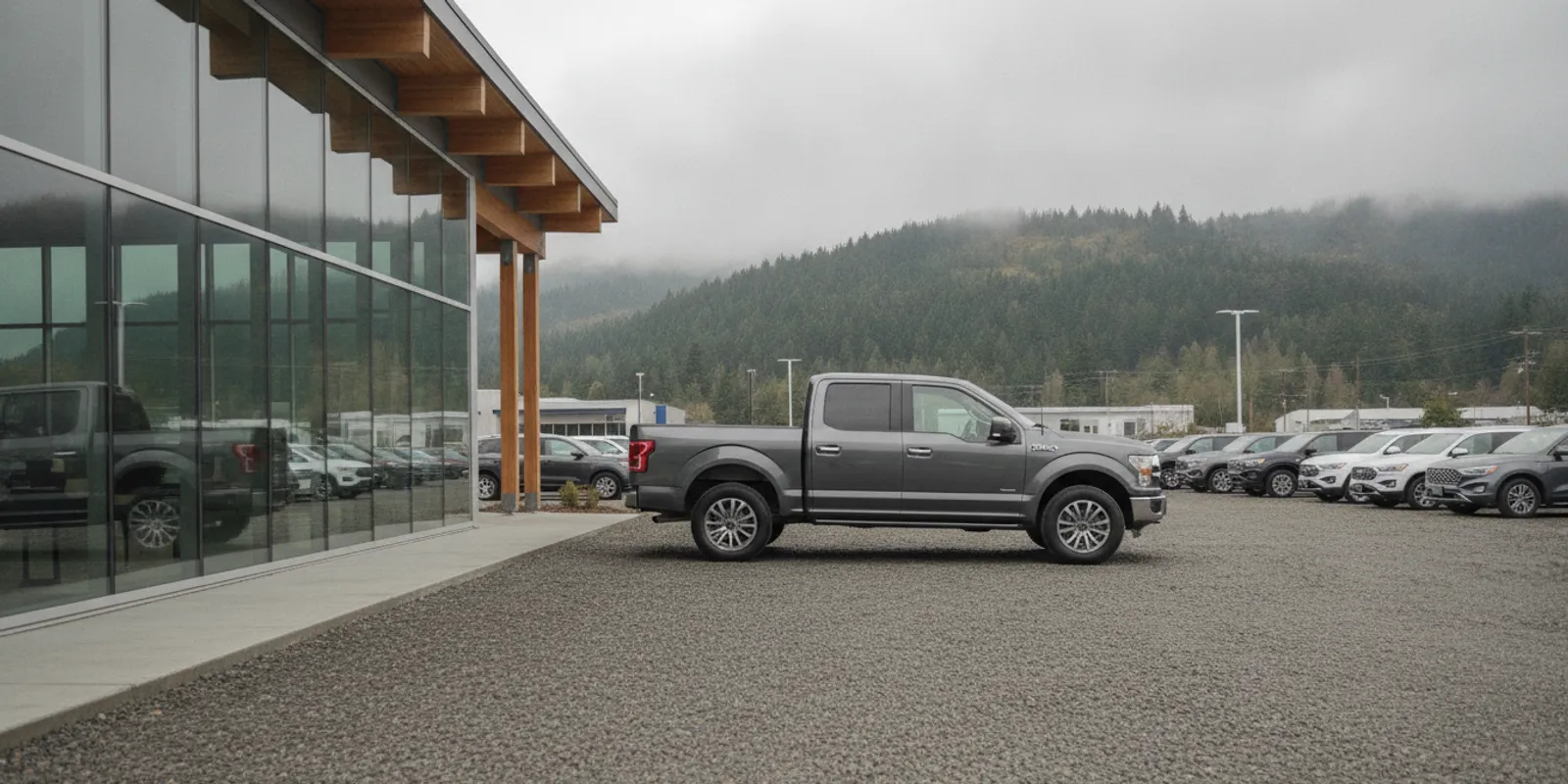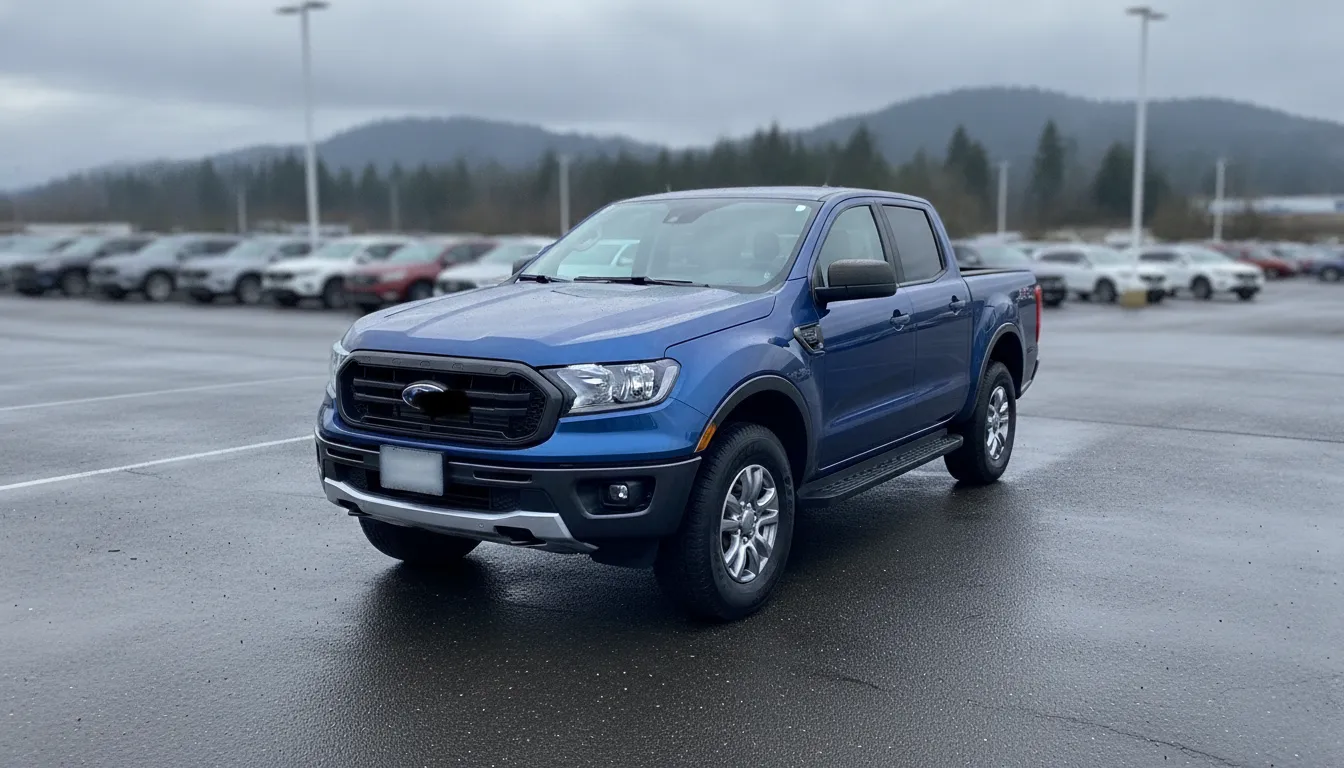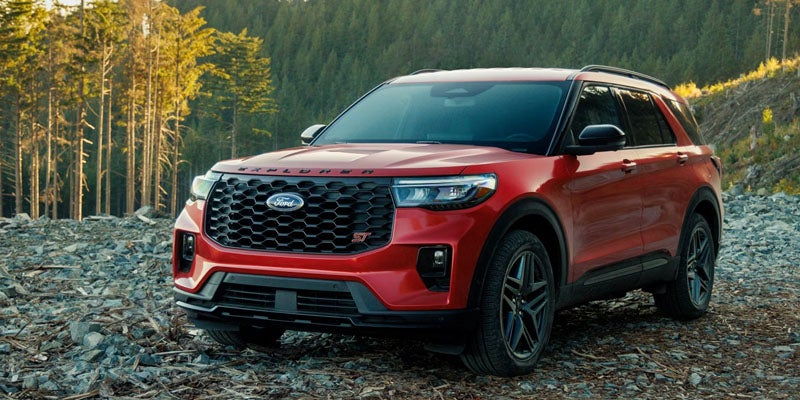

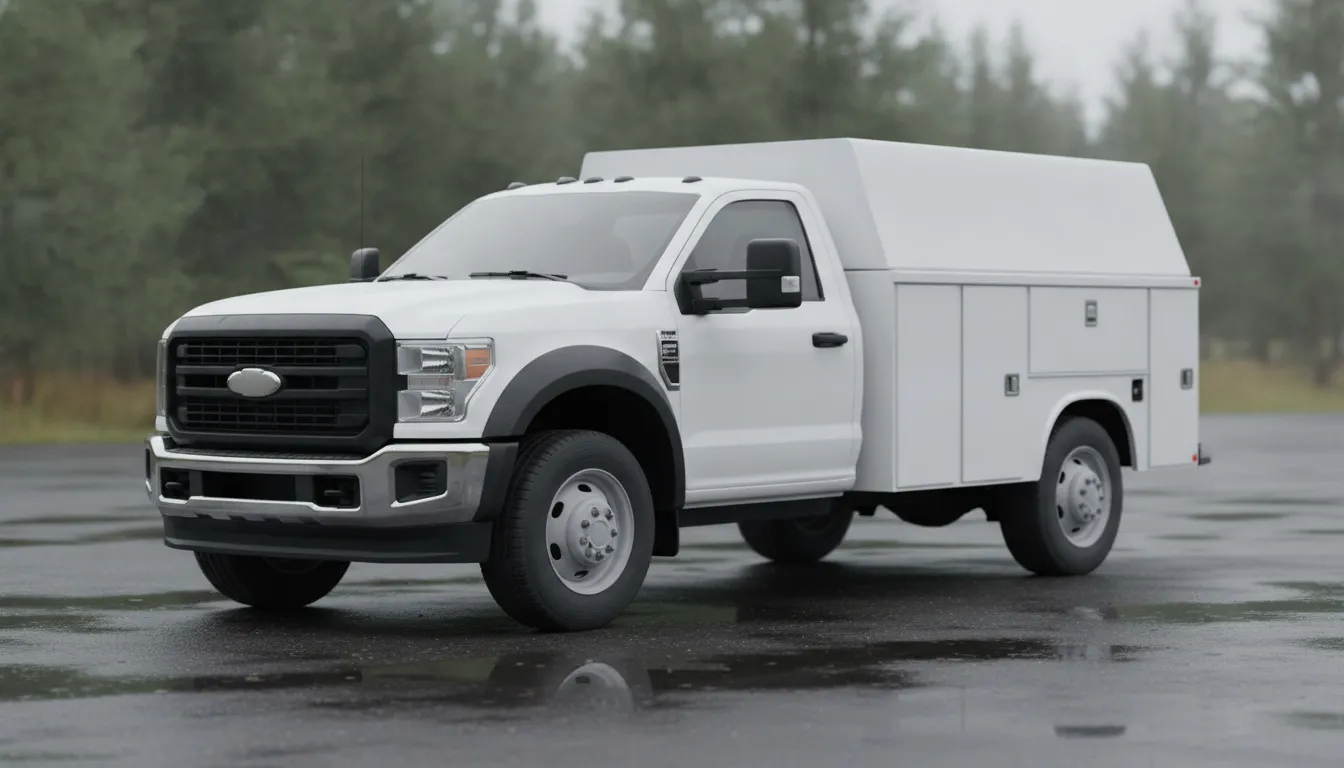
Commercial trucks for sale in Oregon are not one kind of truck. A landscaper in Sherwood may need a pickup that tows a trailer. A plumber in McMinnville may need a cargo van. A contractor south of Portland may need a chassis cab that an upfitter can finish. Newberg Ford, at 3900 Portland Road in Newberg, sells new and used Ford vehicles and can build a truck to order. Sales are in person. Online inventory is the starting point, not the purchase.
Call (503) 880-2513 to talk with Newberg Ford about a work truck, or view the commercial lineup first.
What Commercial Trucks for Sale in Oregon Should Match
Start with the job, not the badge. The right commercial truck is the one that carries the load, fits the route, and still leaves room for tools. Oregon buyers often drive the same truck from a Newberg job site to Salem, Tigard, or the coast. That mix of highway miles and job-site stops is why body style matters more than a glossy trim name.
Ford groups the work lineup around three ideas you can shop locally:
- Pickups such as Super Duty, when the truck has to tow and still haul material in a bed.
- Chassis cabs, when a body company will add a service body, flatbed, dump, or box.
- Cargo vans such as Transit, when the load should stay inside, locked, and out of the rain.
Newberg Ford's commercial pages also point shoppers to pickups, cab chassis, and cargo vans as separate shelves. Use those shelves after you know which body the work needs. The commercial vehicle page is the store's overview of that lineup. A pickup with a nice interior will not replace a van that has to hold pipe. A van will not replace a truck that has to pull a trailer of equipment.
Write down three numbers before you call. What does the truck need to carry in pounds? What does it need to tow, if anything? How many people ride along? Those three answers cut the list faster than browsing every photo. If you are not sure of the weight, weigh a typical load or ask the body company that will finish the truck.
How to Sort New and Used Work Trucks
New and used commercial trucks answer different problems. A new truck is easier to spec. You can choose cab, bed or body, engine, and axle before the truck is built. A used truck is already wearing a body. That can save time when the body is the one you need, and it can waste time when the body is wrong.
Look at four things on every listing, new or used:
- Body type. Pickup, cargo van, service body, flatbed, dump, or box. The body is the tool.
- Cab and doors. Regular, SuperCab, or crew cab on a pickup. Cargo or passenger layout on a van. Count the people who ride every day.
- Powertrain. Gas or diesel, two-wheel drive or four-wheel drive. Match it to the grade, the weather, and the load, not to a slogan.
- Status. On the lot, inbound, or a factory order. An inbound truck is not the same as a truck you can drive today.
Newberg Ford keeps new work trucks and used work trucks on its commercial inventory site, separate from the general new-car search. Open the pickup, cab chassis, and cargo van filters instead of scrolling a mixed car list. If a card does not show the body you need, do not assume the store can add it later. Ask about a factory order.
Do not treat a search result as a stock count. Inventory moves. A listing you saw this morning may be spoken for by the afternoon. The useful next step is a conversation about a specific truck, which is how Newberg Ford turns an online lead into a visit.
Super Duty, Chassis Cab, or Transit
Ford publishes capability for the 2026 Super Duty as a maximum, not as a promise for every truck on the lot. When properly equipped, maximum towing is 40,000 pounds and maximum payload is 8,000 pounds. The diesel's maximum torque is 1,200 lb-ft. Those figures come from Ford's 2026 Super Duty overview, and they belong to specific cabs, axles, and hitches. A base truck will not match the maximum. Read the door sticker and the tow guide for the truck you are considering.
| Shopping shelf | Best first fit | What to confirm |
|---|---|---|
| Super Duty pickup | Towing plus an open bed. | That truck's own tow rating. Not the lineup maximum. |
| Chassis cab | A body still to be built. | Wheelbase and GVWR. Ask if the upfitter can use that cab. |
| Transit cargo van | Locked cargo on a tight route. | Roof height and length. Gas or E-Transit. |
| Upfitted work truck | Service body, flatbed, dump, or box. | The body matches the trade. The listing is still available. |
Super Duty pickups in Ford's current lineup run from F-250 through F-450, with XL as the workhorse trim and XLT, Lariat, King Ranch, and appearance packages above it. For many Oregon crews, XL or XLT is the truck that earns its keep. Higher trims add comfort. They do not automatically add payload. If the truck lives on gravel roads above Newberg or out toward the coast, ask about four-wheel drive and the Tremor package only when the route needs it.
A chassis cab is the better path when the body is the point. Plumber bodies, HVAC shelves, landscape dumps, and contractor service bodies all start as a cab and frame. Newberg Ford's commercial center is set up for class 1 through 7 vehicles and points shoppers toward custom orders when the online list does not show the body. Bring the upfitter's worksheet. Wheelbase and gross vehicle weight rating decide whether that body fits.
Transit is the enclosed option. Ford describes the Transit as available in many configurations, with gas and all-electric E-Transit cargo vans. A national starting price is not a Newberg Ford quote. Roof height, length, shelves, and destination charges all change what a buyer pays. Ask the store for a figure on one van. If you only need all-wheel drive on a Transit, that is a narrower search than this guide. Read the Transit AWD page, then come back to the body decision.
F-150 can be a work truck too, but it is a different shopping conversation from Super Duty. Use the F-150 model page when the load is lighter and you want a half-ton pickup. Do not use a half-ton rating to stand in for a Super Duty rating.
What Oregon Registration Changes About the Truck
Buying the truck and registering the truck are related, but they are not the same step. Oregon defines a commercial vehicle in state law, and the definition leaves out fire trucks, emergency vehicles, motor homes, and recreational vehicles used only for personal trips. Most commercial registration is handled by the Commerce and Compliance Division, not by a standard passenger plate at the counter. Oregon DMV's vehicle types page is the reference for which office registers the truck.
Weight is the line that changes the paperwork. Oregon DMV can title a commercial vehicle. It can also register some heavy trucks and permanent fleet vehicles up to 26,000 pounds. A few uses can sit over that weight, including farm use, tow and recovery, charitable use, and government exemption. Carriers with vehicles over 26,000 pounds register each power unit at the heaviest loaded weight it will run in Oregon that year. Trailers are registered separately as heavy trailers.
If the truck will leave Oregon, ask about apportioned registration and fuel-tax accounts before you assume an Oregon plate is enough. A pickup that stays on local jobs around Tualatin, West Linn, and Newberg is a different filing from a truck that runs into Washington every week. Newberg Ford can help you read the truck's weight rating. The registration choice belongs to you and, when the weight is high, to Oregon Commerce and Compliance.
Two practical checks keep this from becoming a surprise at delivery:
- Read the gross vehicle weight rating on the truck you want, then add the trailer only if you will pull one.
- If the loaded weight will cross 26,000 pounds, budget time for a Commerce and Compliance account, not a same-day passenger registration.
How to Read a Listing Without Guessing
Commercial listings are dense. A useful one tells you the cab, the body, the drivetrain, and whether the truck is here. Use the same order every time so two trucks are comparable.
On a pickup, confirm single rear wheel or dual rear wheel, bed length, and whether a hitch and brake controller are already on the truck. Ford offers an integrated trailer brake controller on many Super Duty trims, but "available" means it is not on every truck. On a van, confirm cargo versus passenger, roof height, and wheelbase. A high-roof van that will not clear the shop door is the wrong van, even if the price looks right.
On a chassis cab or an upfit, look for the body maker's name and the body's purpose. A service body with shelving is not a flatbed. If the listing only says "work truck," call and ask what is on the frame. The commercial team at Newberg Ford can be reached at 971-385-4513. A separate commercial line, 503-487-5828, is listed on the work-truck inventory site. Use either one and name the stock number.
Skip three habits that waste a visit:
- Comparing a national starting price with an out-the-door number. Tax, title, license, destination, and an upfit are not in a starting MSRP.
- Assuming every Super Duty tows 40,000 pounds. That is a maximum when properly equipped.
- Holding a VIN page as the only record. Those links expire when the truck sells. Save the stock number and confirm it is still available.
Where to Shop the Truck Around Newberg
Newberg Ford sits on Portland Road, south of the Portland area and within reach of McMinnville, Salem, Sherwood, Tualatin, Tigard, West Linn, Lake Oswego, and the coast. Closer buyers have an easier time coming back for service, which matters once a work truck is in daily use. Sales hours on the store's hours page are Monday through Saturday, 8:30 a.m. to 7:00 p.m., and Sunday, 10:00 a.m. to 6:00 p.m. Service and parts keep different hours, so check that page before you plan a Saturday drop-off.
The commercial path on the site is straightforward. View new work trucks, used work trucks, pickups, cab chassis, or cargo vans. If the body you need is not listed, ask about a factory order. Build-to-order is part of how the store sells vehicles, and the commercial center invites a custom order when the online list falls short. Bring the load, the people count, and any upfit drawing.
Financing for a work truck is its own conversation. Newberg Ford points commercial buyers to commercial credit and keeps a finance application for other purchases. This guide does not quote rates or payments. Ask the store for a current figure on a specific truck. Tax treatment of a business vehicle is also separate. The store has a Section 179 page. Neither that page nor this guide is a promise that a given truck qualifies.
After the purchase, the same store can service the truck. Ford service and mobile service are on the site for owners who would rather keep the truck working than leave it in a bay all day. Buyers who live closer to Newberg get more practical use from those options.
Book a test drive, or call (503) 880-2513 and ask for the commercial team.
A Simple Order for the Buying Decision
You do not need a spreadsheet to shop well. You need a sequence that keeps the truck tied to the work.
- Name the load, the tow, and the crew size.
- Pick a body family: pickup, chassis cab, or cargo van.
- Open the matching commercial inventory filter and ignore trucks with the wrong body.
- Read that truck's own payload and tow rating, plus its gross vehicle weight rating.
- Decide whether Oregon registration will stay under 26,000 pounds or needs a heavier account.
- Call or submit a lead on one stock number, then visit to confirm the body and drive the truck.
If step two is still fuzzy, say so when you call. A commercial specialist can tell you whether a pickup, a chassis cab, or a Transit is the shorter path. Guessing from a photo is how crews end up with a truck that will not take the body they already paid to design.
Frequently Asked Questions
Where can I see commercial trucks for sale in Oregon at Newberg Ford?
Start with the commercial inventory site linked from Newberg Ford, not the general car search. Filters separate new work trucks, used work trucks, pickups, cab chassis, and cargo vans. Call 971-385-4513 or 503-487-5828 with a stock number to confirm a truck is still available before you drive over.
Is a Super Duty the default commercial truck?
No. Super Duty is the right shelf when you need a heavy pickup that tows and still uses a bed. A chassis cab is the better start when an upfitter will add the body. A Transit cargo van is the better start when the cargo should ride inside. Ford's 40,000-pound towing figure and 8,000-pound payload figure are maximums when properly equipped, not ratings for every Super Duty.
Do I register a work truck like a personal car in Oregon?
Often no. Oregon routes most commercial registration through the Commerce and Compliance Division. DMV can handle some trucks up to 26,000 pounds, with narrow exceptions above that. Trucks that will operate over 26,000 pounds are registered at the heaviest loaded weight they will run in the state. Confirm the path for your weight and your routes before delivery day.
Can Newberg Ford order a truck that is not on the lot?
Yes. The store sells build-to-order vehicles, and the commercial center asks shoppers to start a custom order when the online list does not show the right body. Bring the cab, wheelbase, and upfit details you already know. An order is not the same thing as a truck that is on the ground today.
Does this page quote a price or a tax deduction?
No. Newberg Ford pricing depends on the truck, the body, and current incentives. A national starting figure leaves out tax, title, destination, and any upfit. Section 179 questions belong on the store's tax page and with your tax preparer. Ask the commercial team for a quote on one truck rather than budgeting from a headline number.